
Spotlight: 2026
Georgia’s Aerospace Edge Was Built on Purpose
To infinity and beyond. That was the rallying cry downtown this month when Dragon Con filled Atlanta with rocket-ready costumes and sci-fi dreamers. The real launch pad sits a few miles from the convention floor. Georgia's aerospace industry is growing, and the growth comes from investment made on purpose. Here's where it's paying off.


The Numbers
Aerospace is Georgia's largest export, and second-largest industry. In 2025, civilian aircraft and parts brought in $16.4 billion in overseas sales, helping push the state's total exports past $60.2 billion. That is money flowing into Georgia from the rest of the world.
In 2025, aerospace directly employed 32,955 Georgians at an average wage of $117,447, according to the Aerospace Industries Association. These are six-figure careers. Behind them are more than 120 aerospace products and parts manufacturers supporting over 25,000 manufacturing jobs.
Where the Future Is Built
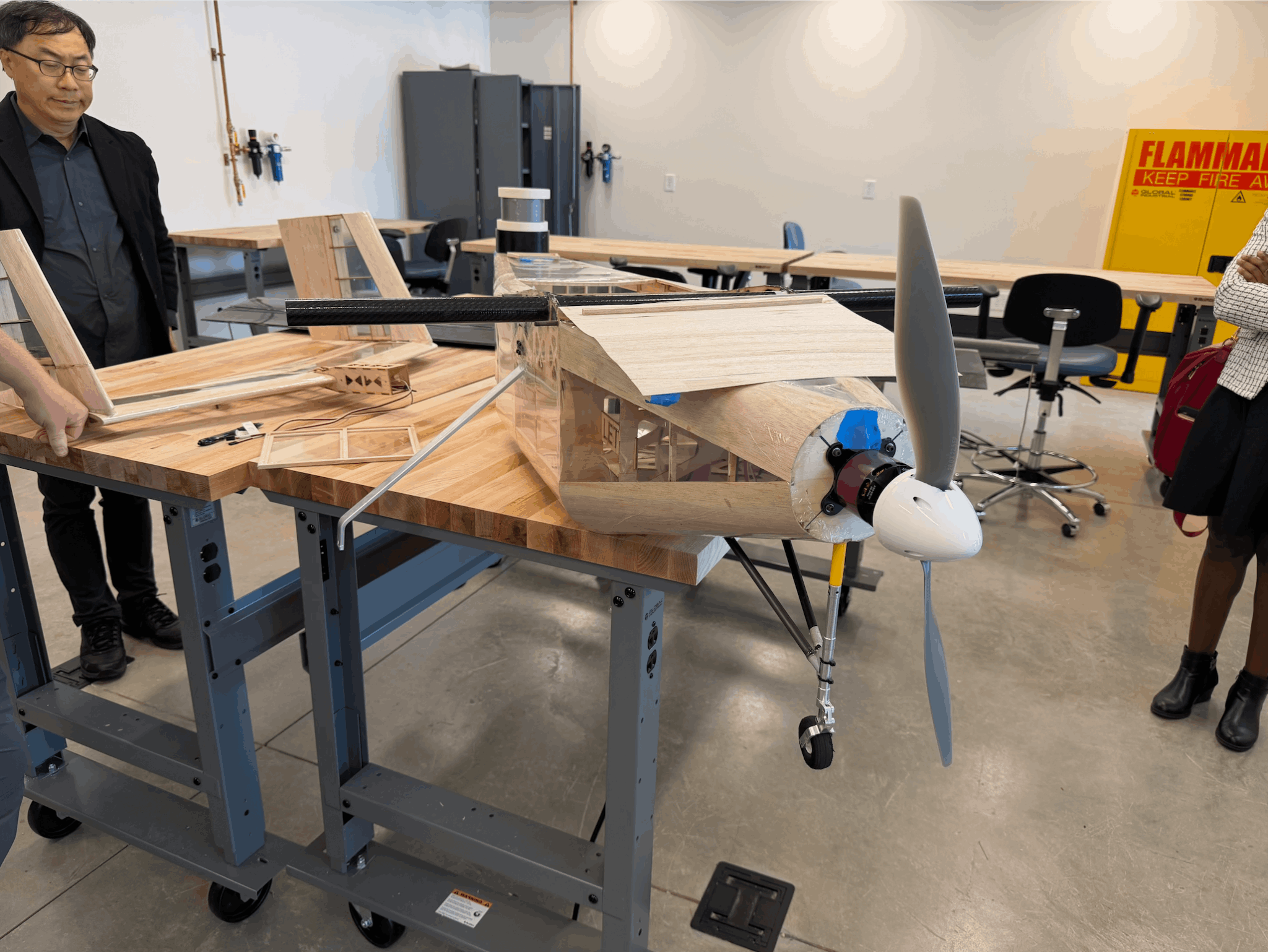
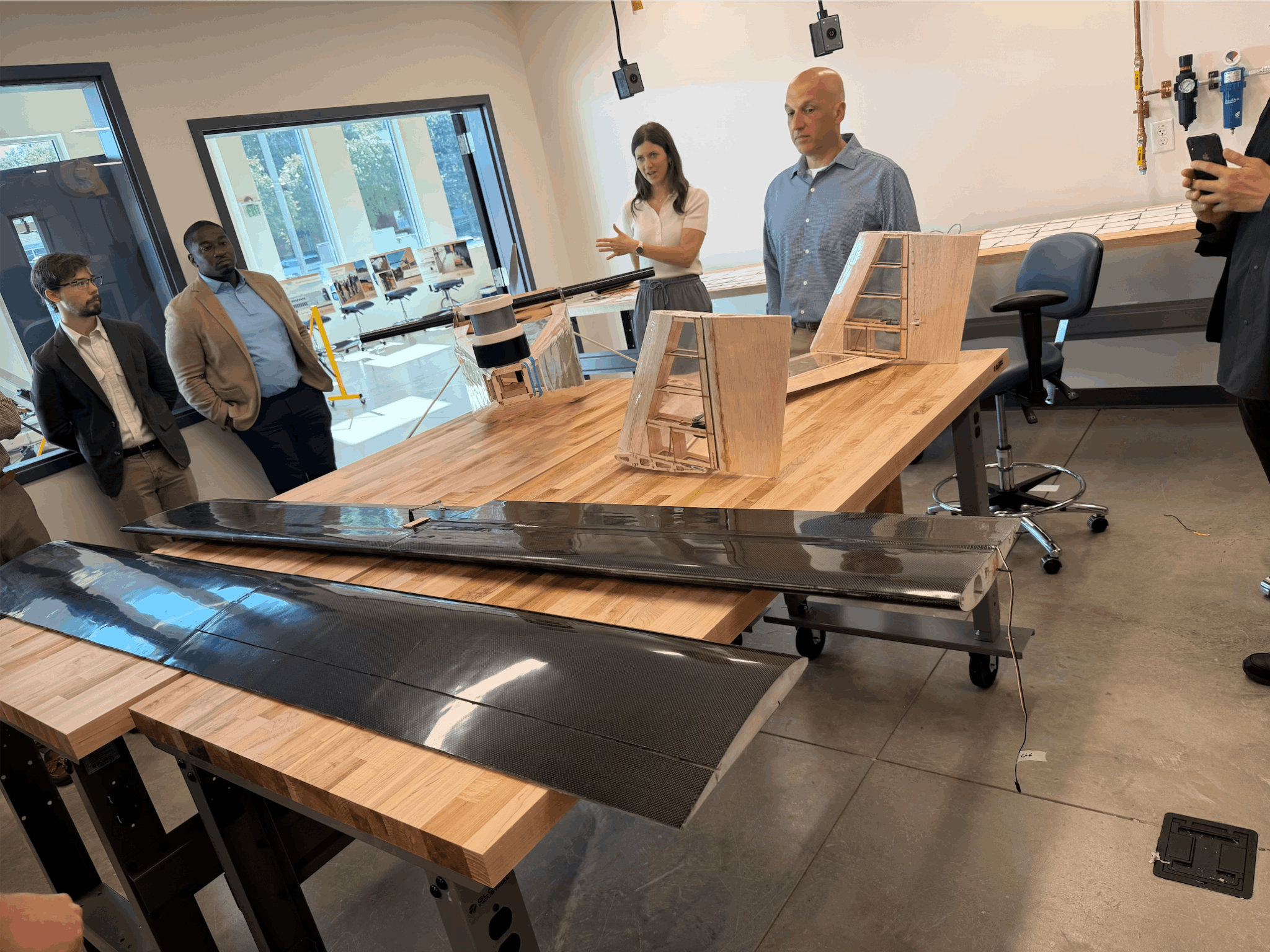
In West Midtown, Georgia Tech opened its Aircraft Prototyping Laboratory last fall. The 10,000-square-foot space lets students research, build, and test electric and autonomous flight systems. OTI's Donnie Beamer recently toured the lab.
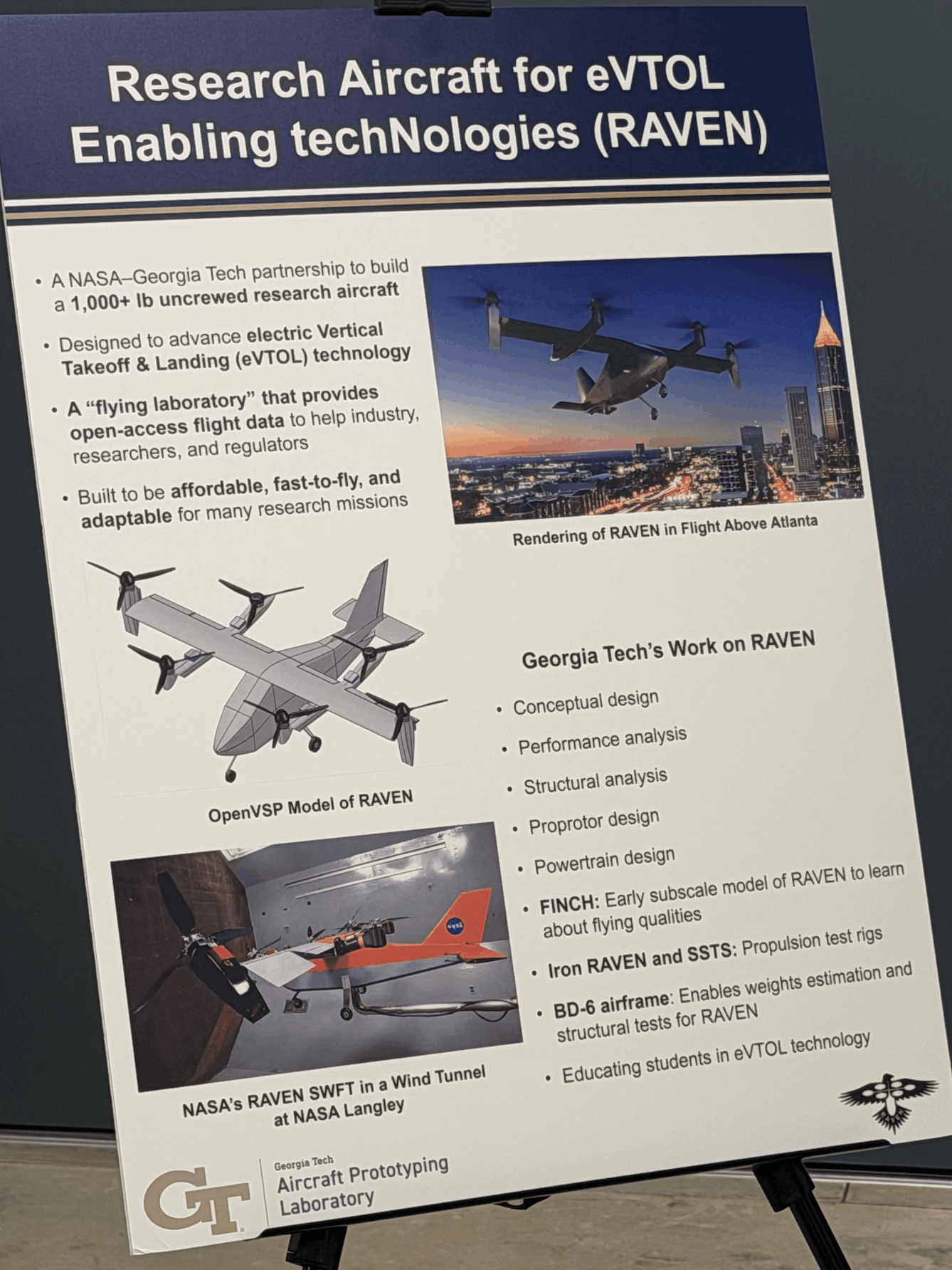
The lab's first big project is RAVEN, a NASA and Georgia Tech collaboration. It is an unmanned research aircraft in the 1,000-pound class, built to study air taxi technology. Two things set it apart. The flight data will be publicly available, so the whole industry can learn from it. And it will help engineers understand how much noise air taxi-style aircraft make. Noise is one of the biggest questions for cities that want these aircraft overhead.
Not Just Engineers
Aerospace also needs welders, electricians, and machinists. In August, NASA awarded about $10.5 million across seven state hubs to build pathways into skilled aerospace careers. Georgia Tech leads Georgia's hub. Courses will lead to short-term certificates and associate degrees, through partnerships with the Technical College System of Georgia, Georgia Southern University, and industry. The program can also help pay for students' courses.
Industry is stepping up as well. In August 2025, Gulfstream, Lockheed Martin, Rolls-Royce, FlightSafety International, and RTX formed the Georgia Aerospace & Defense Alliance to strengthen the state’s workforce and supply chain.

The Air Taxi Race
Archer builds its Midnight air taxi in Georgia. Its 400,000-square-foot factory sits next to Covington Municipal Airport. The plan is up to 650 aircraft a year, and Archer says the factory will create about 1,000 jobs over the long term.
Joby, Archer's top rival, connects to Georgia through Delta. Delta made a $60 million upfront investment, with up to $200 million possible as milestones are met. First routes target New York and Los Angeles. Joby reports five aircraft flying and 12 more in production.
The Bottom Line
Georgia's aerospace edge was built by investment: public money, university labs, employer commitments, and training programs. None of it is permanent. Other states are competing for the same companies and talent.
- Employers: Hire and train locally.
- Schools and colleges: Build the pipeline.
- Local leaders: Protect the infrastructure this industry depends on.
- Residents: Know the opportunities in your backyard.
Georgia isn't just watching the future of flight. It's building it, and it has to keep investing to stay ahead.